
In today’s transport industry, efficiency is everything. Every extra stop, delay, or overload penalty affects your profits. This applies whether you run dump trucks, logistics fleets, or heavy-duty trailers. This is where onboard weighing systems come into play. Onboard truck scales and load cells assist drivers and fleet managers. They get real-time weight data. They can access this information without leaving the cab.
An on-board weighing system is different from traditional weighbridges. It doesn’t need detours or waiting. Trucks can measure loads right away while loading, transporting, or unloading. It turns trucks into mobile weighing stations. This saves time, cuts costs, and boosts accuracy.
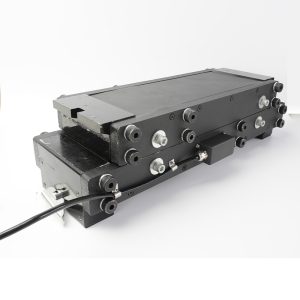
FLS Forklift Weighing System with Real-Time Monitoring
Real-Time Load Monitoring on the Move
One of the biggest advantages of onboard weighing systems is real-time visibility. When materials load onto the truck, the system shows the weight. This can include gravel, farm products, waste, or industrial items.
The onboard truck scale uses precise load cells. They place these on axles, suspension systems, or the chassis. This setup calculates the total load with precision. Drivers can check weight on a digital display in the cabin. This ensures that we optimize every trip.
This eliminates guesswork. No more relying on estimations or returning to a weighbridge for verification. With real-time data, drivers can load to the exact target weight. This maximizes payload and avoids the risk of overload.
Avoid Overloading and Stay Compliant
Overloading is a big problem in transportation. It can cause fines, safety issues, and wear on vehicles. An on-board weighing system helps prevent overloading. It ensures that legal weight limits are always met.
Dump trucks carrying sand or construction materials often deal with uneven loads. With onboard weighing systems, drivers can quickly spot imbalances or excess weight. They can then adjust before hitting the road.
This not only reduces the risk of penalties but also improves road safety. Proper load distribution reduces stress on tires, brakes, and suspension parts. This helps extend the vehicle’s lifespan.
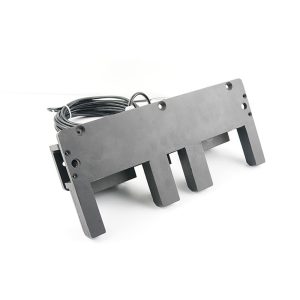
LVS Intelligent Onboard Truck Weighing System for Vehicles
Save Time by Eliminating Weighbridge Stops
Traditional weighing methods make trucks stop at fixed weigh stations. This often leads to long lines and wasted hours. Onboard truck scales use load cells. They measure weight in real time. This works no matter where the truck is.
Imagine a fleet of waste collection trucks operating in urban areas. Each truck can now record waste weight in real time. This means no more trips to weigh stations. This leads to a marked improvement in route efficiency and a reduction in fuel consumption.
Over time, saved time means more trips each day. This leads to higher productivity and lower costs.
Improve Loading Efficiency Across Industries
Different industries benefit from onboard weighing systems in unique ways.
-
Construction trucks can load exact quantities of sand, gravel, or asphalt without rework.
-
Agricultural vehicles ensure precise measurement of crops, feed, or fertilizers.
-
Logistics and freight trucks avoid underloading, maximizing every shipment.
-
Waste management vehicles track collected materials with precision for billing and reporting.
Onboard weighing systems help operators standardize loading. They cut material waste and keep operations consistent.
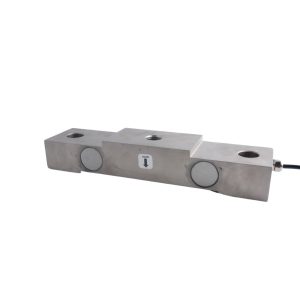 607A 10T On-Board Load Cell for Vehicle
Seamless Integration with Modern Fleet Management
Modern onboard weighing systems do more than just display weight. Many advanced solutions work with GPS tracking and fleet management software. This lets data send in real-time to central systems.
Fleet managers can monitor load data remotely, analyze performance, and make informed decisions. They can find unused vehicles. They can improve routes. They can also check if they follow local rules.
Digital indicators and wireless communication make truck scales smarter. They fit well into modern logistics systems. They help create a data-driven approach to transportation. Now, they are easier to use and more efficient.
Durable Load Cell Technology for Harsh Environments
The reliability of an onboard weighing system depends heavily on its load cells. These sensors can handle tough conditions. They resist vibration, shock, temperature changes, and heavy loads.
Trucks in mining, construction, or farming need to be durable. High-quality load cells in onboard truck scales deliver stable readings. They remain accurate, even in tough conditions.
This keeps performance steady over time. It lowers maintenance needs and boosts return on investment.
Enhance Driver Confidence and Workflow
From a driver’s perspective, convenience is key. An onboard weighing system makes daily tasks easier. It shows clear, easy-to-read weight data right in the cabin.
Drivers no longer need to rely on external measurements or manual calculations. They have easy-to-read displays and automated readings. This allows them to focus on safe driving and effective loading.
This reduces stress and improves workflow. It’s very useful in high-pressure spots. This includes construction sites and busy logistics hubs.
Reduce Costs and Increase Profitability
Every operational improvement adds up. Onboard weighing systems save money. They do this by reducing trips to weighbridges. They also lower overload fines and optimize payloads.
Lowered fuel consumption, minimized vehicle wear, and increased productivity. For fleet operators, this translates into higher profit margins and better resource utilization.
Investing in an on-board weighing system isn’t just easy; it’s smart. This choice leads to long-term financial gains.
The Future of Smart Transportation
The transportation industry is changing. So, the need for smarter and more efficient solutions is increasing. Onboard weighing systems are now common in modern trucks. They allow for real-time decision-making and better control of operations.
Onboard truck scales use advanced sensors. They will be vital for the future of logistics and transportation. Load cells will keep playing an important role as digital integration grows.
For companies that want to stay competitive, using an onboard weighing system is essential, not optional.