
In white latex (PVA emulsion) production, consistency is everything. A small change in raw materials can impact viscosity, bonding strength, drying time, and product performance. Adhesive manufacturers in woodworking, paper packaging, and construction need stable, repeatable weighing. It’s very important for their work. It’s not just a technical need; it affects product quality and customer trust.
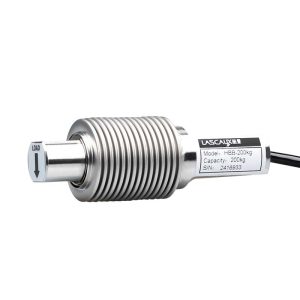
HBB Stainless Steel Bellows Load Cell with Welded Seal
This is where a shear beam load cell becomes a practical and reliable choice.
Why weighing matters more than it seems
White latex production needs several raw materials. These include water, polyvinyl alcohol, vinyl acetate monomer, plasticizers, fillers, and other additives. These are usually stored in tanks or silos and directed into reactors or mixing vessels.
In many factories, especially in Southeast Asia and developing markets, conditions are not good. The environment is often poor. High humidity, temperature changes, and simple plant care can all affect material flow. Powders can bridge, liquids can change density, and estimating by hand often causes batch inconsistency.
Accurate weighing solves this problem at its root.
Using a shear beam load cell under tanks and dosing systems lets operators track weight changes in real time. This is better than relying on flow estimation or timed feeding. This makes sure every batch uses the same formula. It cuts down on waste and keeps product quality steady.
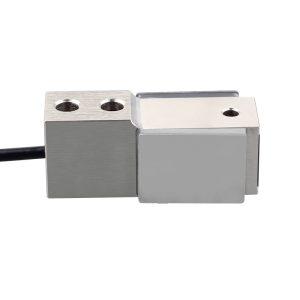
MBB Low-Profile Miniature Bending BeamLoad Cell for Bench Scales
Shear beam load cell in batching systems
For medium-capacity vessels, usually between 500 kg and 5 tons, a shear beam load cell is a popular choice. It offers a good balance between cost, stability, and installation simplicity.
In a standard white latex batching setup, place three or four shear beam load cells under the mixing tank or pre-mix vessel. As you add materials, the system continuously tracks the weight. Operators can automate dosing sequences and ensure that each ingredient is added precisely.
A shear beam load cell operates well in this environment. This is due to its strong structural design. It manages side forces better than sensitive sensors. This is key when mixers operate or materials are unevenly spread.
Another advantage is long-term stability. In adhesive production, tanks are often left loaded for extended periods. A shear beam load cell stays accurate over time. It minimizes drift and cuts down on the need for frequent recalibration.
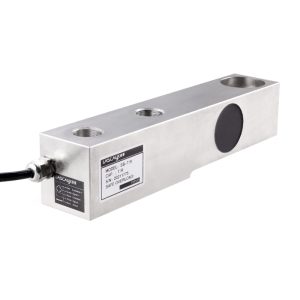
SB Cantilever Beam Load Cell for Belt Scale Systems
Silo weighing in raw material storage
Raw materials are often kept in big silos or storage tanks before the batching process. This is where weighing modules combined with load cells come into play.
For liquid storage tanks like vinyl acetate or plasticizers, use load cells under the tank. This setup allows for continuous inventory monitoring. For powder silos like PVA or calcium carbonate, the same principle applies.
Here, the use of a shear beam load cell is also very common, especially for small to mid-sized silos. The main benefit is knowing how much material remains. It also helps control the discharge into the process.
In many factories, production stops. This happens due to unexpected material shortages. Feeding issues also cause interruptions. A well-installed shear beam load cell system lets operators monitor trends and prevent sudden downtime.
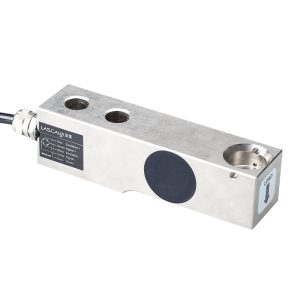
SBC Shear Beam Load Cell for Small Weighbridge & Mixer Systems
Real-world challenges and how it helps
In theory, weighing is simple. In practice, factories deal with vibration, temperature changes, and structural movement.
Mixers create dynamic loads. Pumps and pipelines introduce forces that are not purely vertical. Poor installation can lead to measurement errors.
A well-designed shear beam load cell system addresses these challenges. With the right mounting kits, like anti-lift and side-load protection, the system keeps stable readings. This happens even in less-than-perfect conditions.
In hot and humid environments, stainless steel versions are often preferred. They resist corrosion and keep performing well over time. This is important, especially when exposed to chemical vapors found in adhesive production.
Another point often overlooked is maintenance. A shear beam load cell is simple to install and replace, which minimizes downtime during servicing. For factories running continuous production, this is a practical advantage.
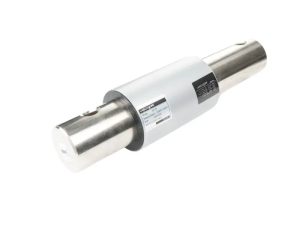
SD Shear beam load cells for Towed TMR Total Mixed Ration Feed Mixer
Matching the system to customer needs
Not every plant needs an advanced, fully automated weighing system. For some customers, the priority is cost control. For others, it is precision and traceability.
In smaller operations, a basic setup with a shear beam load cell and a simple indicator may be enough. Operators can control dosing manually while benefiting from accurate weight feedback.
In bigger facilities, the same shear beam load cell can link to PLC systems. This allows for automated batching, data logging, and remote monitoring.
The key is flexibility. A good shear beam load cell works for both basic and advanced systems. This makes it a smart long-term choice.
White latex production is not a high-margin business. Efficiency, consistency, and cost control define competitiveness. Small improvements in weighing accuracy can translate into significant savings over time.
From raw material storage to final batching, the shear beam load cell plays a quiet but critical role. It ensures that every batch starts with the right numbers, even when operating conditions are far from perfect.
For manufacturers wanting to stabilize production easily, this solution is one of the most reliable and commonly used options.