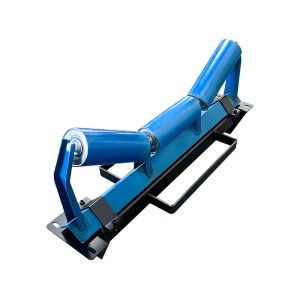
Belt Scales
Belt scales weigh bulk materials on conveyor systems. They ensure stable and consistent mass flow measurements while in use. Belt scales measure real-time belt load and speed. They help with production control, material balance, and process optimization. This applies to many bulk handling tasks.
A typical belt scale has precise load sensors. These sensors adjust to various conveyor setups and working conditions. Shear Beam Load Cell designs are often used in heavy-duty belt scales. They provide strong support and perform well under changing loads. For tight spaces, Single Point Load Cell setups provide accurate weighing. They also simplify the mechanical structure. S Type Load Cells work well in suspended or tension-based weighing frames. They allow for flexible installation and give reliable force measurements.
Manufacturers build belt scales for ongoing industrial use. They resist vibration, dust, moisture, and mechanical impact from moving materials. Choosing the right load cell for the belt scale ensures stable measurements. This stability lasts over time, even with different belt speeds and material distributions. Belt scales come with flexible setups and various load cell choices. They work well for both light-capacity conveyors and high-volume bulk material transport.
Showing the single result