
In heavy construction, a concrete batching plant is the project’s mechanical heart. To maintain structural integrity, the mix must be perfect. This precision relies on the hardware, especially the double-ended shear beam load cell. To maximize efficiency, first understand how a double-ended shear beam load cell works. This is key for handling high-tonnage loads and achieving a better build.
As a top double shear beam load cell maker, we understand that reliability is a must, not just a feature. Here is how these heavy-duty sensors redefine efficiency in the concrete industry.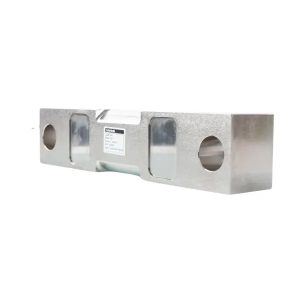
DST Double-Ended Shear Beam Load Cellsfor Hopper Weighing Systems
1. The Backbone of the Batching Plant: Why Double Ended?
In a standard batching plant, weigh the aggregate bins. Check the cement silos. Weigh the liquid scales with precision. Single-ended beams are common. However, they often break due to chaotic lateral forces in a concrete plant.
The double-ended shear beam load cell looks like a bridge. Both ends support it, and someone applies the load in the center. A double-ended shear beam load cell works by using a “link” or “rocker” mount. This design helps it cancel out side forces. This keeps the controller’s signal clear. It cuts down on waste and makes sure each batch meets the engineering specs.
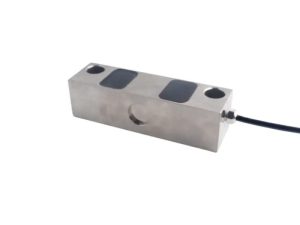 DSB Double-Ended Shear Beam Load Cell for Truck, Railway, and Hopper Scales
2. Calculating the “Sweet Spot” for Tonnage
A common mistake in the industry is under-specifying tonnage to save costs. To maximize efficiency, consider both the Dead Load (the hopper weight) and the Live Load (the ingredients).
The Aggregate Hoppers
For a big 4-bin aggregate station, falling gravel can make the weight seem twice as heavy.
-
The Setup: Usually 4 units of double ended shear beam load cell per hopper.
-
**Tonnage Requirement:** A bin that holds 30 tons needs specific load cells. A pro double shear beam load cell maker recommends either a 20t or 25t load cell for each cell. This creates a safety buffer. It ensures the sensor stays away from its physical limit, where accuracy can drift.
The Cement Silos
A 100-ton cement silo faces massive wind loads. A double ended shear beam load cell is crucial here because it stays true even when wind creates lateral pressure on the silo legs.
-
Tonnage Requirement: We typically look at 30t to 50t cells. To understand double-ended shear beam load cells, know that higher capacity means more than just strength. It also means better stability against environmental factors.
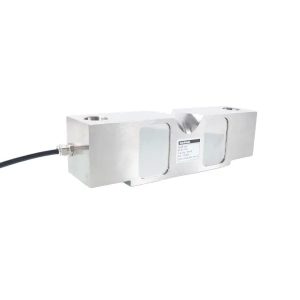
DSC Double-Ended Shear Beam Load Cells for Tank Weighing Systems
3. Real-World Efficiency: Time is Money
How does a double ended shear beam load cell make a plant more efficient? It comes down to Settling Time.
In high-volume plants, every second matters. If your sensors are shaky, the computer waits to stabilize. Then, it confirms the weight. A double-ended shear beam load cell is stiffer. So, it stops vibrating more quickly. Saving 3 seconds per batching cycle can add up to an extra 30 truckloads of concrete per month.
4. Durability and Manufacturer Standards
A concrete plant is tough on electronics. Dust, moisture, and vibration are everywhere. When picking a double shear beam load cell manufacturer, check that their products meet these standards:
-
IP68/IP69K Protection: To survive high-pressure water wash-downs.
-
Stainless Steel Construction: To resist corrosive chemical admixtures.
-
High Tonnage Rating: To handle the structural weight of the plant itself.
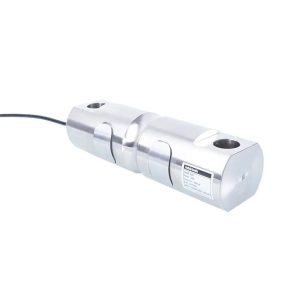 DSE Double-Ended Shear Beam Load Cellfor Heavy-Duty Weighing