
In the world of industrial measurement, accuracy and reliability are not optional—they are essential. Among the many types of load cells available today, the S-type load cell stands out as a versatile and dependable solution for a wide range of applications. Known for its compact design and high sensitivity, the S-type load cell has become a go-to choice for engineers and technicians seeking precise force measurement without compromising on durability or ease of integration.
The name “S-type” comes from the load cell’s characteristic shape, which resembles the letter “S.” This unique design is not just for aesthetics; it plays a crucial role in the sensor’s ability to measure both tension and compression forces accurately. Unlike other load cells that may require separate devices for pulling and pushing forces, the S-type load cell can handle both with remarkable efficiency. This dual functionality makes it particularly useful in weighing systems, material testing machines, and other force measurement applications where flexibility is required.
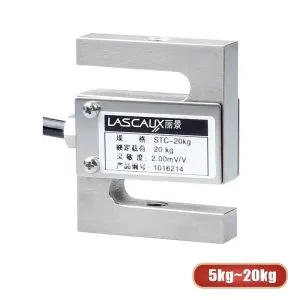
One of the most significant advantages of the S-type load cell is its precision. These sensors use strain gauge technology to detect minute deformations caused by applied force. As the load is applied, the strain gauges generate an electrical signal proportional to the force. Modern S-type load cells are designed to minimize errors caused by temperature changes, mechanical stress, or environmental factors, ensuring that readings remain consistent even under challenging conditions. This level of accuracy makes them suitable for high-stakes industrial processes, quality control, and laboratory experiments where exact measurements are critical.
Durability is another key strength of the S-type load cell. Constructed from high-quality stainless steel or aluminum alloys, these sensors are built to withstand rigorous use in industrial environments. Whether it’s in a factory floor, a construction site, or a laboratory setting, S-type load cells offer robust performance that resists corrosion, fatigue, and mechanical wear. This resilience extends the lifespan of the sensor, reducing maintenance costs and downtime for businesses relying on continuous measurement systems.
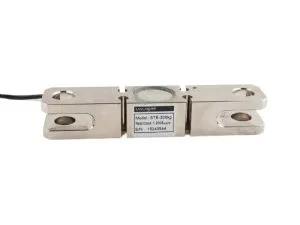
Installation and integration are also simplified with the S-type load cell. Its compact design allows it to fit into spaces where other load cells might be impractical. Moreover, its standardized mounting holes and electrical connections make it compatible with a wide range of digital displays, amplifiers, and data acquisition systems. This ease of integration means that engineers can deploy S-type load cells quickly and efficiently, minimizing installation time and reducing the risk of errors during setup.
In addition to industrial and laboratory applications, S-type load cells are widely used in commercial weighing systems. They can be found in scales for shipping, packaging, and even agricultural use, where accurate weight measurement is essential for both operational efficiency and regulatory compliance. Their ability to handle dynamic loads and respond rapidly to changes in force ensures that these scales deliver reliable results every time. This reliability is particularly important in industries where precision is tied directly to profitability, such as logistics, food processing, and pharmaceuticals.
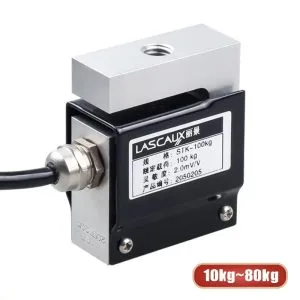
Another notable feature of S-type load cells is their adaptability. They come in various load ranges, from a few kilograms to several tons, allowing users to select the right sensor for their specific application. Additionally, many models offer features such as overload protection, temperature compensation, and digital output options, further enhancing their versatility. This adaptability makes S-type load cells an attractive choice for engineers who need a single sensor type capable of addressing multiple measurement challenges.
Despite their advanced capabilities, S-type load cells are surprisingly user-friendly. Calibration procedures are straightforward, and many models include built-in safeguards to prevent damage from excessive loads or electrical interference. This combination of precision, durability, and ease of use has made the S-type load cell a trusted tool in industries ranging from manufacturing to research and development.
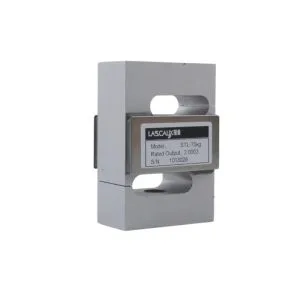
In summary, the S-type load cell is more than just a sensor; it is a reliable partner in achieving accurate and consistent force measurement. Its unique design, high precision, durability, and adaptability make it a standout choice for a broad spectrum of applications. Whether you are setting up an industrial weighing system, conducting laboratory experiments, or monitoring mechanical stress in a production environment, the S-type load cell provides the confidence and performance needed to ensure success. Choosing the right load cell can significantly impact efficiency, product quality, and operational safety, and the S-type design consistently delivers on all fronts.
For professionals seeking a measurement solution that combines accuracy, versatility, and longevity, the S-type load cell represents a perfect balance. It embodies the engineering excellence required for modern industry, offering both reliability and performance in a compact, easy-to-integrate package. Investing in S-type load cells is not merely a technical decision—it is a commitment to precision, efficiency, and enduring quality in every application.