
The paper industry is one of the toughest sectors. It requires high precision, consistency, and control in production processes. Every step in paper production needs careful measurement. This includes pulp preparation and final rolling. You must measure force, weight, and tension at each stage. The S-type load cell is a key instrument that is frequently used to meet these needs. Its strong design and dual-mode measurement make it ideal for the fast and precise needs of today’s paper mills.
Understanding S-Type Load Cells
An “S” shapes the S-type load cell. It provides precise measurements of tension and compression. This dual functionality is a big plus in the paper industry. It helps monitor pulling forces during paper drawing and winding. It also tracks compressive forces in pressing and calendering processes. Most industrial S-type load cells use stainless steel or alloy steel. This design is durable. It resists corrosion and maintains consistent performance under heavy loads.
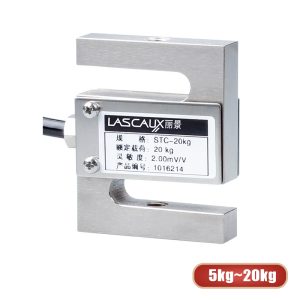
STC S Type Load Cell For Crane Scales
Engineers place precision strain gauges at key points on the metal body of the S-type load cell. When someone applies force, the metal bends a bit. This change makes the strain gauges alter their resistance. This change turns into an electrical signal. Then, industrial control systems amplify, calibrate, and process it. The result gives an accurate, real-time read on the forces acting on the paper or machinery.
Critical Role in Paper Manufacturing
The paper production process has several stages. Each stage needs specific monitoring of force and weight.
1. Pulp Handling and Forming: First, we prepare the pulp. Then, we spread it onto forming wires or molds. Keeping the right flow rate and pulp distribution is key for uniform paper thickness. S-type load cells can monitor the weight of pulp hoppers, ensuring precise feed rates. They detect small weight changes. This helps automated systems adjust pulp delivery. As a result, it prevents defects like thin spots or uneven density.
2. Pressing and Drying: After forming, paper sheets go through rollers to squeeze out extra water. The pressure applied needs careful control. If it’s too low, the paper stays too wet. If it’s too high, it can damage fibers or create uneven thickness. S-type load cells on press rollers give constant feedback about the compressive force. This helps control the pressing stage with precision. Load cells can also check the tension in drying cylinders or conveyors during drying. This helps ensure even moisture removal.
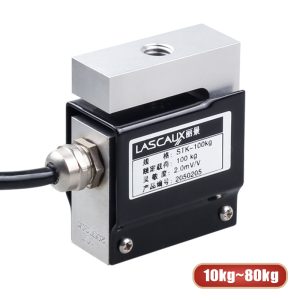
STK S Type Load Cell For Packaging Scales
3. Rolling and Winding: S-type load cells play a key role in the paper industry. They help control tension during winding. Manufacturers make paper rolls at a rapid pace, and small changes in tension can cause problems. These issues include wrinkles, stretching, or even breakage. S-type load cells measure the tensile force on the paper roll. They send data to automated tension control systems. These systems then adjust motor speeds or roller positions in real time. This ensures consistent roll quality and reduces downtime caused by roll breaks.
Advantages of Steel S-Type Load Cells in Paper Mills
The paper mill environment can be tough. You’ll find high humidity, temperature changes, dust, and chemical exposure are common. Steel S-type load cells are particularly suited to these conditions. Stainless steel types resist corrosion. Alloy steel models offer high tensile strength and durability.
Durability is not the only advantage. These load cells stay accurate over time. They reduce errors from hysteresis, which is when a sensor gives different readings with repeated loading. In high-speed paper machines, continuous monitoring is key. It lasts for hours or even days. Consistent accuracy helps maintain product quality and reduce material waste.
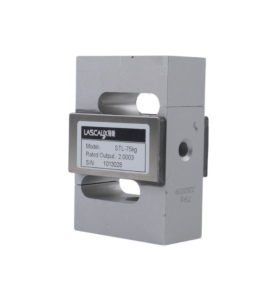
STL S Type Alloy Steel Load Cell For Tank Scales
Integration with Industrial Automation
Modern paper mills use automation to boost production and cut labor costs. S-type load cells integrate smoothly into automated control systems. They give real-time updates on tension, compression, and weight. The system detects changes in roll tension. It adjusts motor speed, roller pressure, or pulp feed rate in a timely manner. This keeps output steady without needing human help.
Advanced load cells can have digital signal outputs or built-in amplifiers. Connecting with PLCs (Programmable Logic Controllers) is simple. It’s also easy to link with SCADA (Supervisory Control and Data Acquisition) systems. Operators can monitor several points on the production line at the same time. This helps keep the entire process stable.
Design Considerations for Paper Industry Applications
The design of S-type load cells for paper mills must address several key factors:
-
Capacity Range: Choose load cells based on the maximum force expected. This applies to measuring the weight of pulp hoppers or the tension in paper rolls.
-
Environmental Protection: Coatings and sealing block moisture and dust. Stainless steel keeps out chemicals. This helps sensors work better.
-
Mounting Flexibility: End-mounted holes make it easy to connect with rollers, frames, or conveyor systems. This design helps with both installation and maintenance.
-
Technicians position strain gauges with great attention to detail. This reduces measurement errors. It ensures accurate and repeatable readings, even with different loads.
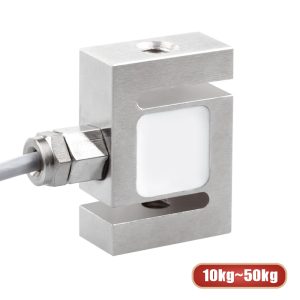
STM S Type Load Cell For Belt Scales
The adoption of S-type load cells in paper mills has tangible benefits:
-
Improved Product Quality: Accurate tension and weight monitoring create even paper thickness. This results in fewer defects and better overall quality.
-
Reduced Material Waste: Real-time control enables precise use of pulp and paper. This lowers scrap rates and cuts costs.
-
Enhanced Equipment Longevity: Reducing tension or pressure cuts down wear. This helps rollers and machinery last longer.
-
Operational Efficiency: Automated feedback from load cells minimizes downtime and reduces manual intervention.
Choosing the Right Manufacturer: Labirinth Microtest Electronics (Tianjin) Co., Ltd.
Selecting a reliable S-type load cell supplier is critical. Manufacturers of industrial-grade load cells for high-speed use focus on strict calibration. They also ensure quality checks and offer customization options. In the paper industry, load cells often need special features. These can include specific capacities, protective coatings, or digital communication. Each production line requires a custom solution.
S-type load cells are essential in the paper industry. They measure tension, compression, and weight with precision at every production stage. These sensors monitor pulp handling, pressing, drying, and winding. They ensure product quality, reduce waste, and support the automation modern mills require.
Steel S-type load cells are tough and dependable. They work well in harsh paper mill settings. Their ability to work in two modes and handle stress makes them vital for paper production. They integrate seamlessly with automated systems, enhancing efficiency and quality. For any modern paper mill focused on precision, productivity, and quality, S-type load cells are a must-have.